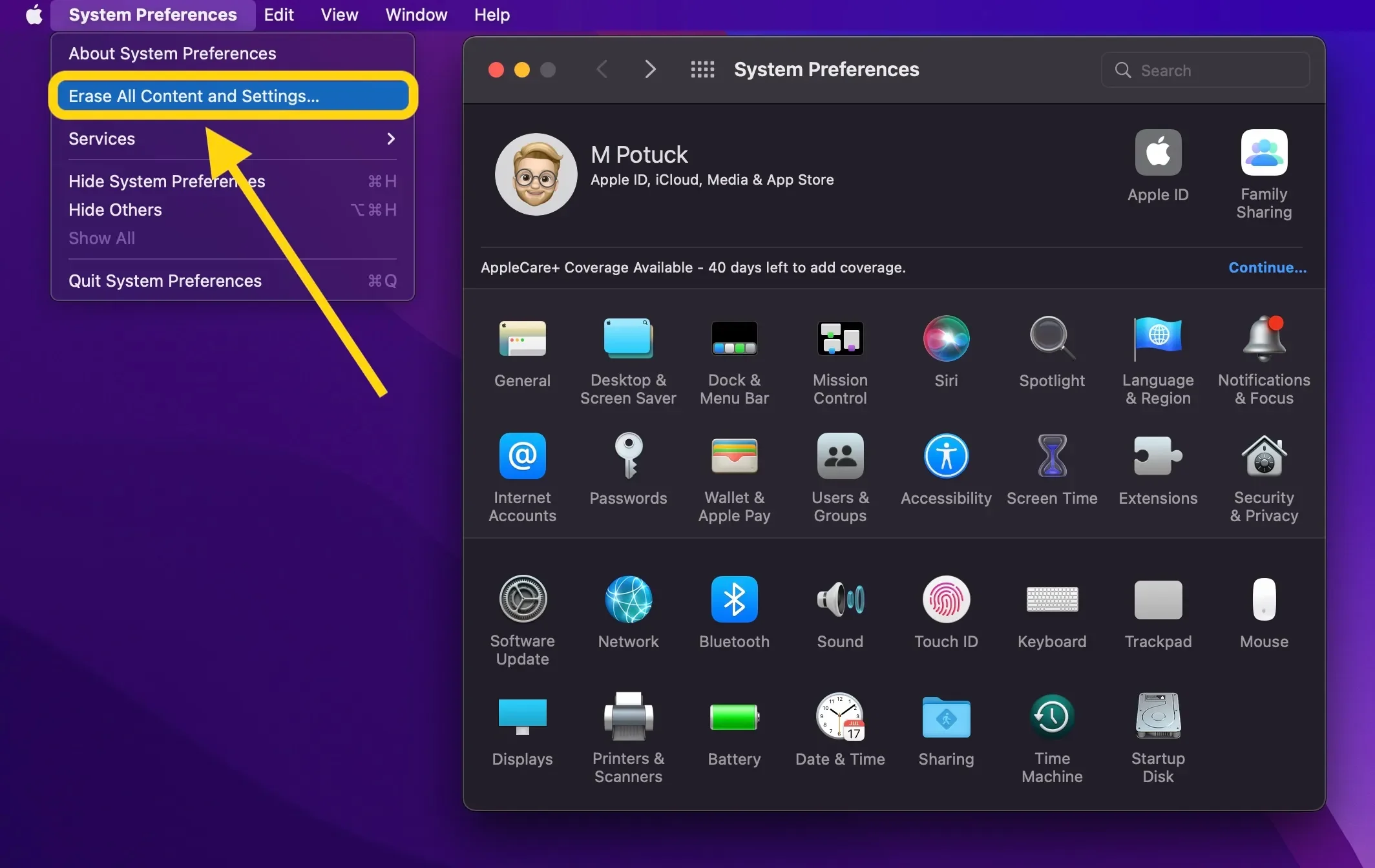
If you’re ready to sell, trade in, or give away your Mac or wipe it for another reason, there are different steps to the process depending on what Mac you have and what version of macOS you’re on. Notably, recent macOS releases include a modern erase option like iOS. Here’s how to reset MacBooks and Mac desktops.
Event Context
Before you reset your Mac, make sure that you have a fresh backup.
If you’re running macOS Big Sur or earlier, you’ll want to sign out of iCloud, iMessage, and FaceTime. It doesn’t hurt to sign out of any other accounts under System Preferences → Internet Accounts, too. You may want to unpair any Bluetooth devices as well.
If you’re on a recent version of macOS, you won’t need to worry about those steps. Let’s dig into how to reset Macs in macOS Sequoia, Sonoma, Ventura, Monterey, Big Sur, and earlier.
If you’re curious about the new M4 Macs, check out our full comparisons:
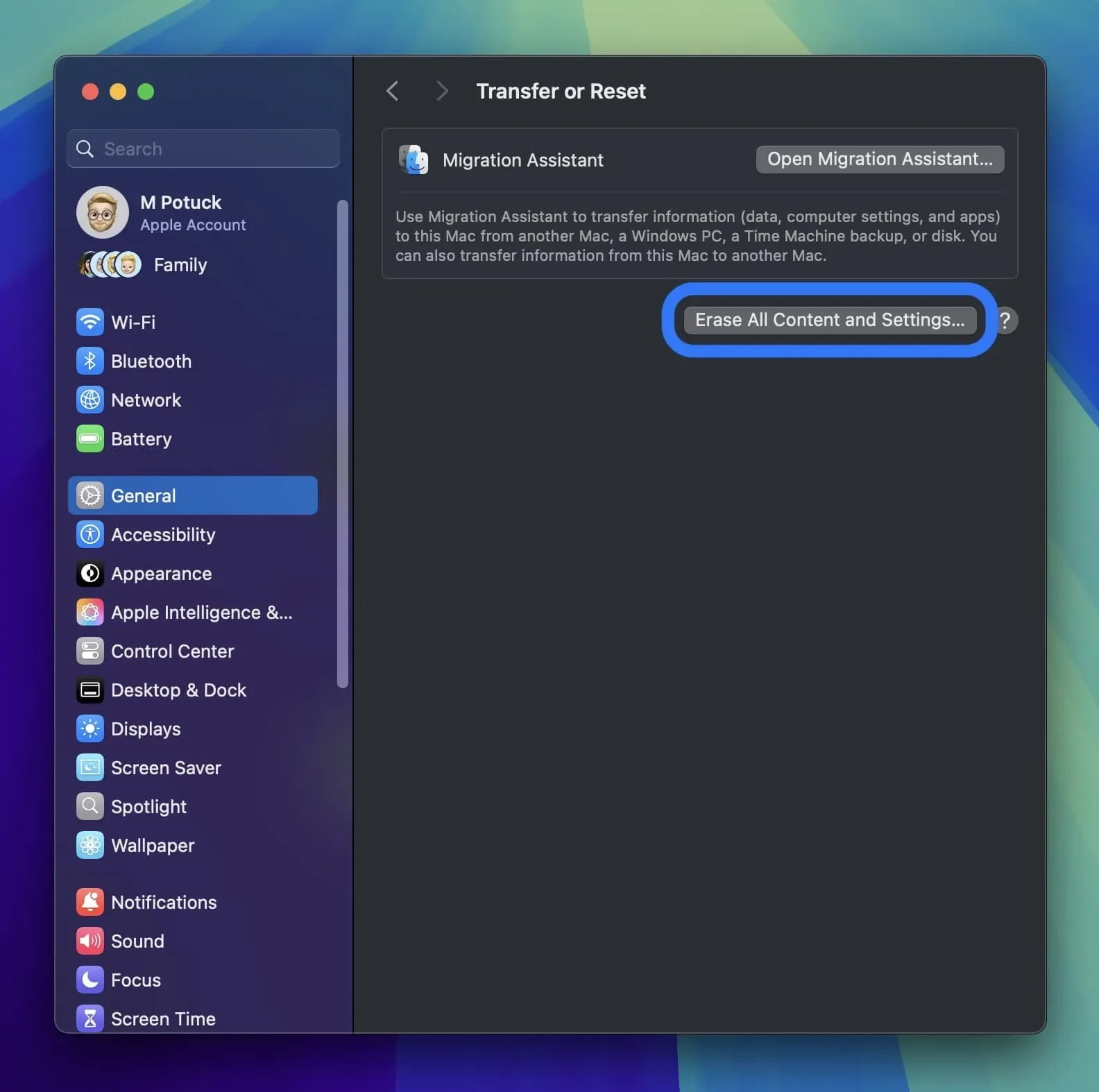
Shortcut: You can also search your Mac for “erase” with Spotlight search (magnifying glass in top right corner or use keyboard shortcut cmd + spacebar)
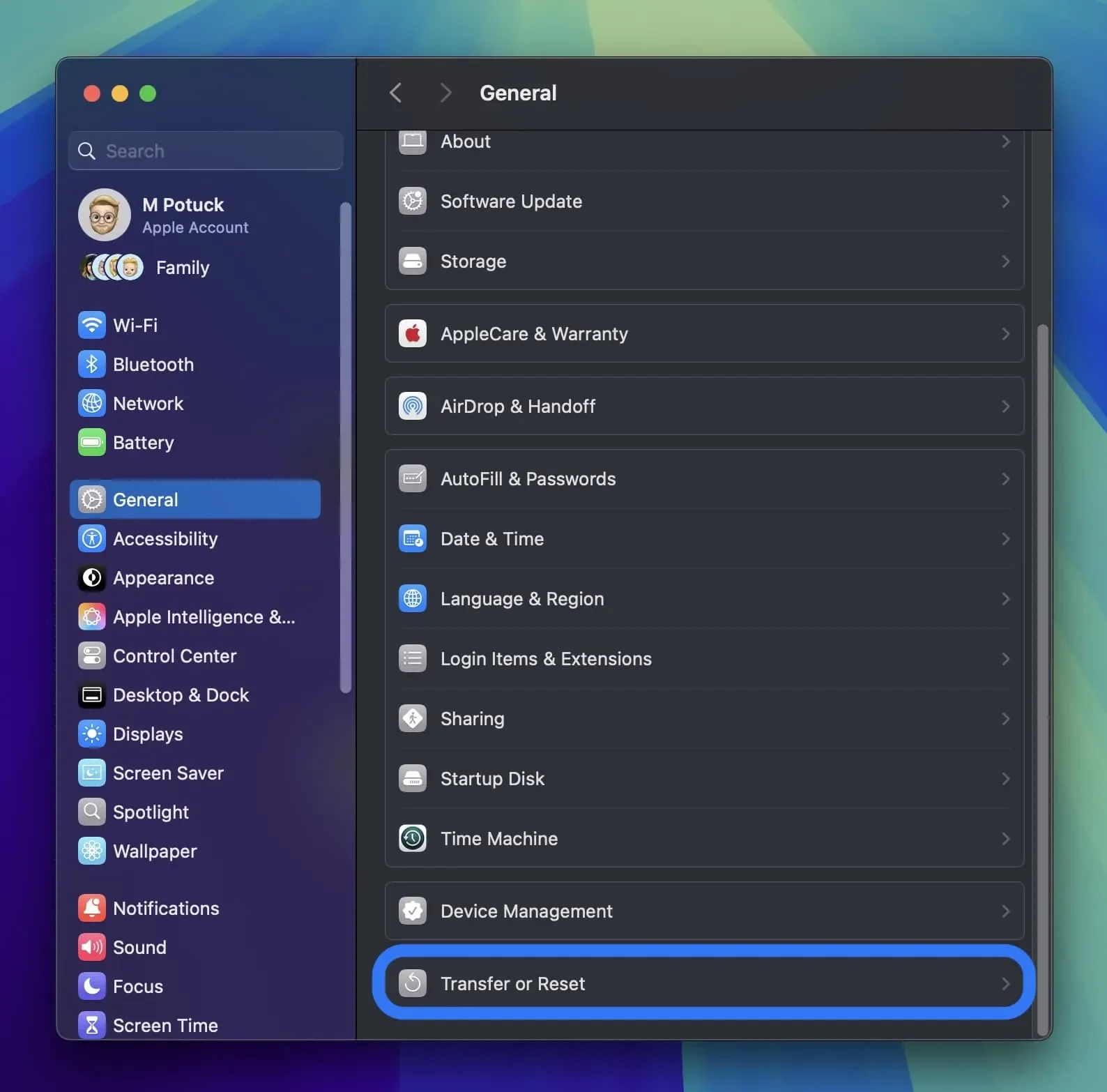
Player Focus
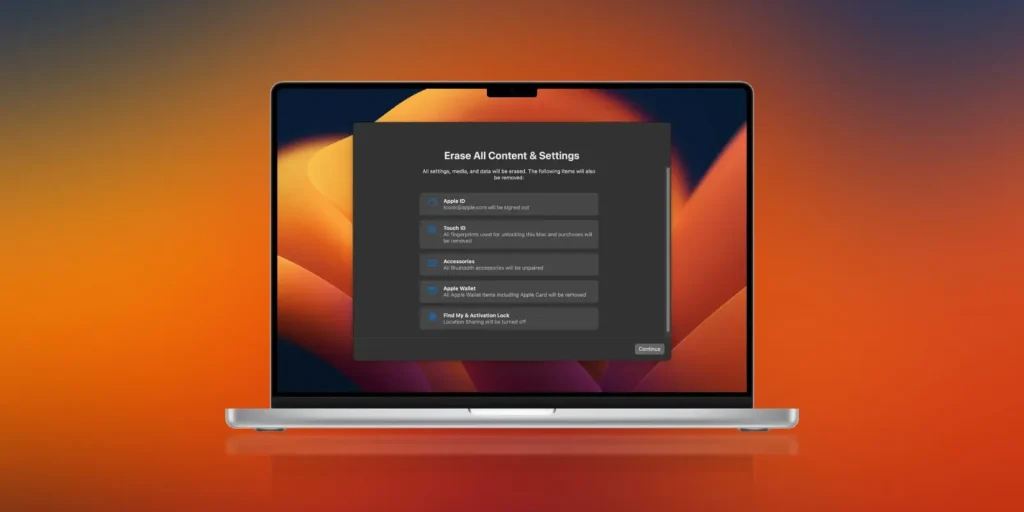
macOS Monterey offers an Erase Assistant for 2018 and later Macs.
Here’s how the process looks:
You can read more about the new Erase Assistant in macOS Monterey in Apple’s support document here.
Note: If your Apple Silicon MacBook won’t start up properly, you may need to restore or revive it.
Reset NVRAM
Apple notes in a support document that resetting the NVRAM is important to do for Intel Macs without the Apple T2 Security Chip as it wipes out user settings and restores security defaults. Here’s how to do it:
Shut down your Mac, then turn it on and immediately press and hold these four keys together: Option, Command, P, and R. Release the keys after about 20 seconds.
Boot into macOS Recovery
On Apple Silicon Macs
On Intel Macs
For Intel Macs, macOS Recovery will install a different version of macOS depending on the key combination you use when starting up your Mac (no installation discs or macOS loaded onto an external drive is needed). Hold down one of the following key combinations right after powering on your Mac, and let go when you see the globe or Apple logo.
Apple notes on its support page, “if you’re selling or giving away a Mac that is using OS X El Capitan or earlier, use Option-Command-R to make sure that the installation isn’t associated with your Apple ID.” This also installs the latest available software.
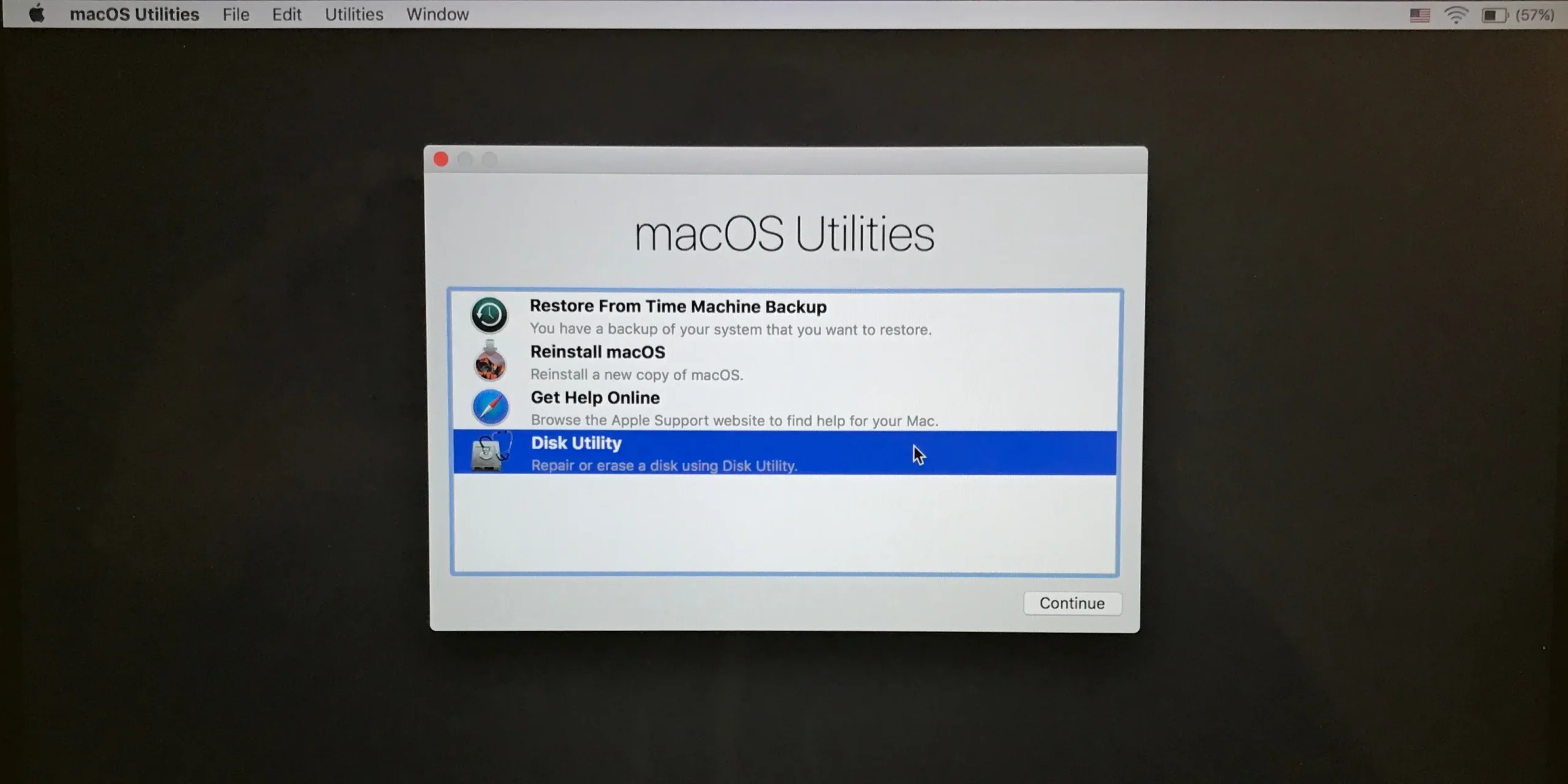
Loading time for macOS Recovery will vary depending on your internet connection. When the process is complete, you’ll see the macOS Utilities window.
Erase your startup disk (hard drive/solid state drive)
Finish reset by reinstalling macOS
Thanks for reading our guide on how to reset MacBooks and Mac desktops!
Read more 9to5Mac tutorials: