
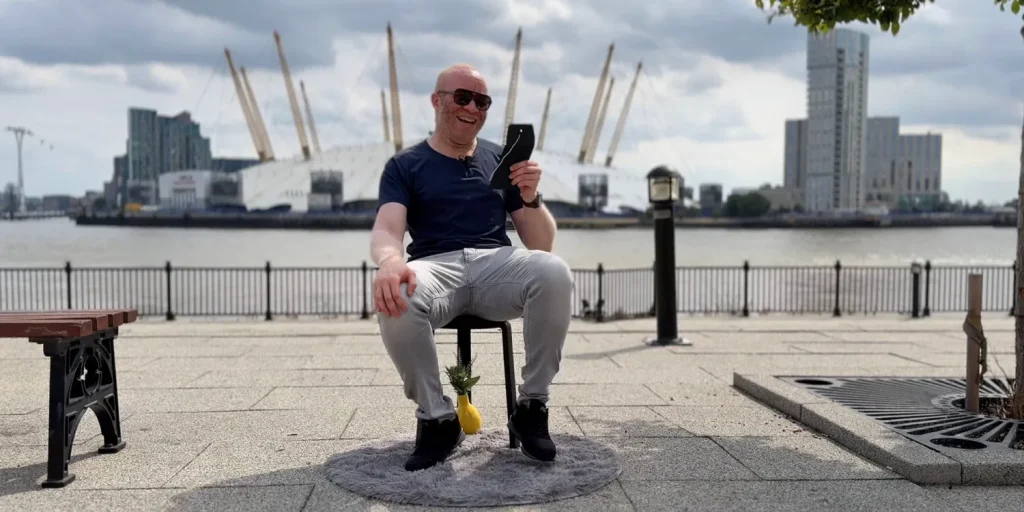
I recently observed that Apple appeared to have abandoned Cinematic mode , and a video experiment perfectly illustrates my frustration at this fact.
If they are neither a filmmaker nor a techie familiar with the way the feature works, they probably won’t even notice the issues, and it won’t bother them if they do. Indeed, I would expect a properly updated version of Cinematic mode to be able to cope with significantly more challenging environments than this. Because the feature is bad, but rather that it comes so close to being good enough for real-life use that it’s hard to see why Apple hasn’t taken advantage of the massive increases in power between the iPhone 13 on which it launched and the latest iPhones, that’s not. Because the feature is bad, but rather because I genuinely believe that it could be dramatically better if Apple took full advantage of the power of the current generation of iPhone chips and the neural processing capabilities they possess, as I said at the outset, my frustration isn’t.
To be fair, CK argues that the average person viewing the video isn’t going to see the problem. I suspect he may well be right. But it does bother me, and I think anyone with even amateur filmmaking ambitions will share my frustration – and that’s precisely the target market for the feature.
Let me show you what I mean … I said previously that I understood why Apple hasn’t made updating it a priority, but also argued that it should do so to encourage future videographers and filmmakers – especially teenagers who may not have access to any other camera kit.
