
Believe it or not, Apple’s 2025 iPad lineup is actually much less confusing than in years past. Although, with four main models—the iPad (11th Gen), iPad Mini 7, M3 iPad Air, and M4 iPad Pro—there is still plenty of nuance to understand to make sure you make the right choice. But the reality is that all iPads handle about 90% of the same tasks, such as web browsing, note-taking, streaming, app ecosystem, and creative and professional work, and they all even have the same design language. It’s that final 10%—the extra power, display technology, better efficiencies, and accessories—that makes the difference.
Final thoughts
This guide will break down each iPad’s strengths, who it’s best for, and how to make the best decision for your use cases!
Be sure to check our hands-on iPad Buying guide!
Before we get into it, I am fully aware that you can find cheaper or “better value” iPads in the used and refurbished market. But this guide will focus on Apple’s latest and newest iPad.
Before diving into the differences, it’s important to mention what all iPads share. As I continue to say, these common features make up most of the iPad experience.
Now, let’s look at the differences.
Who it’s for: Students, casual users, families, educators,
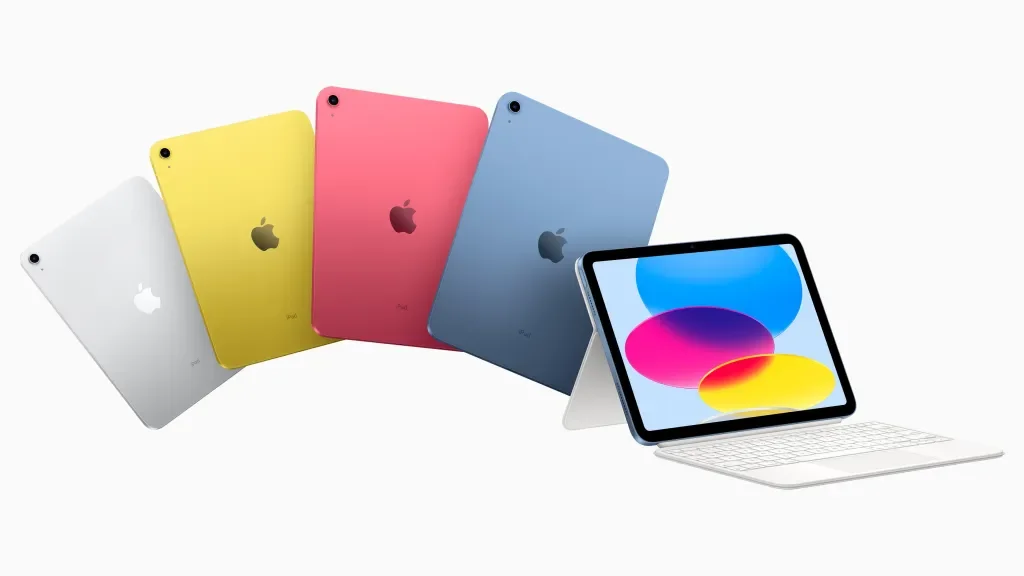
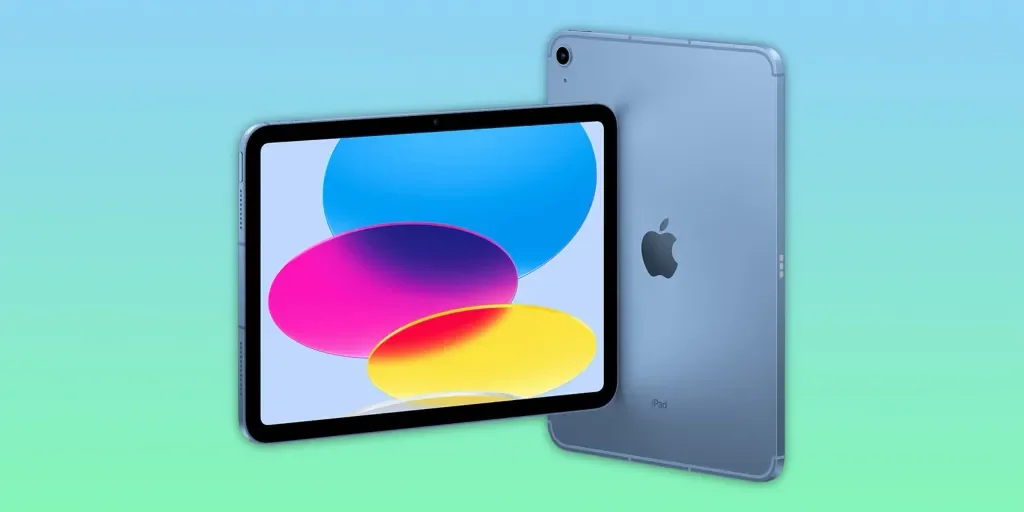
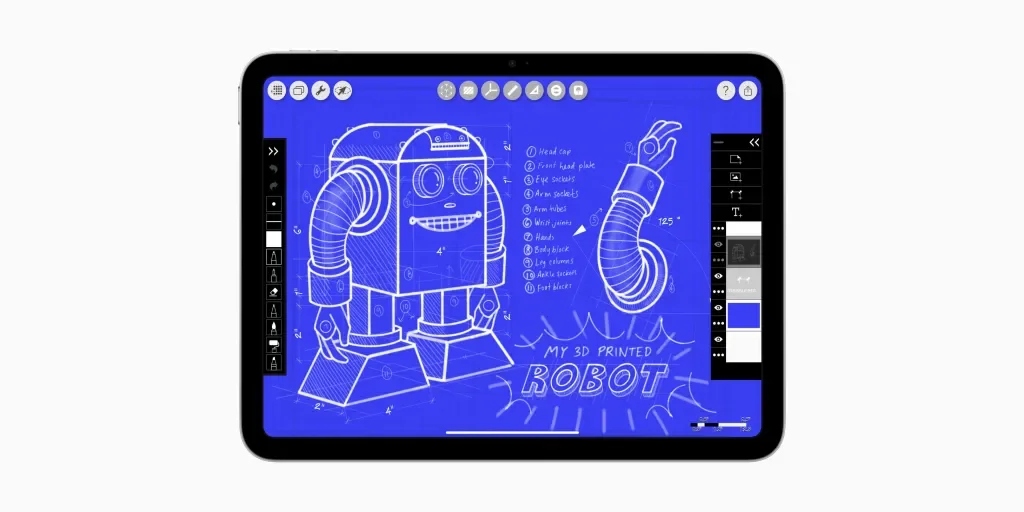
The 11th Gen iPad is the most affordable option, making it great for students, kids, and casual users. It’s powerful enough for everyday tasks, creative work, business work, and daily management but lacks the premium features of higher-end models.
Who it’s for: Professionals, creatives, students needing more power
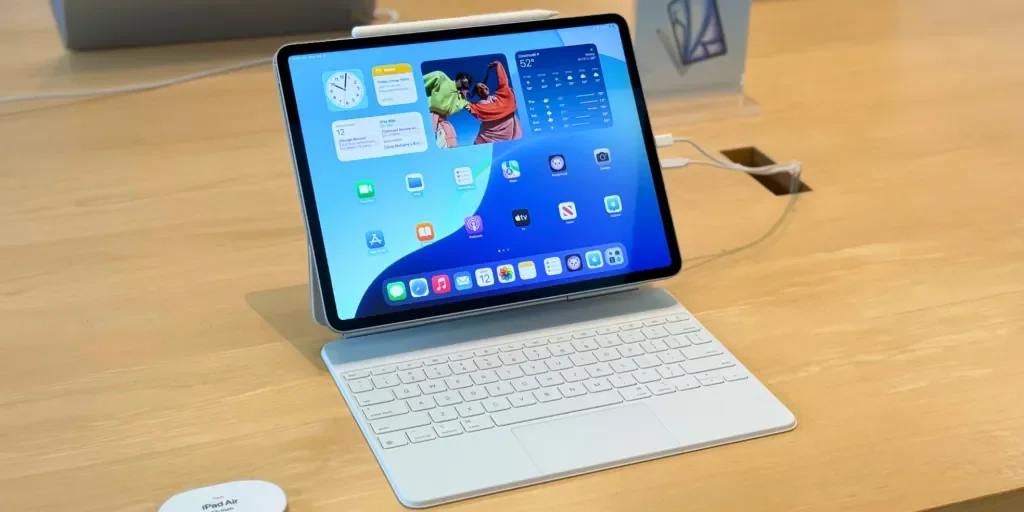
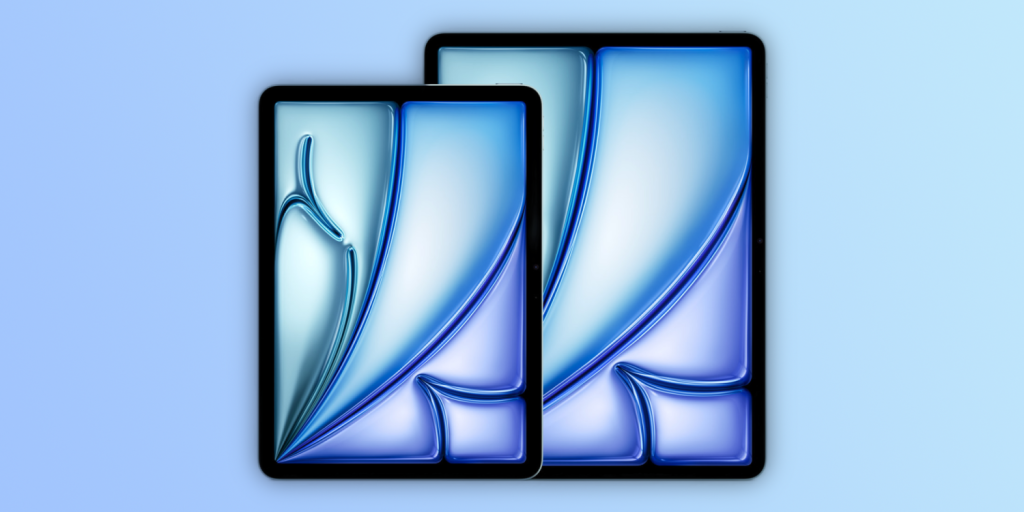
The iPad Air is the best option for those who want more power without paying for an iPad Pro. An M3 chip can handle demanding apps like Photoshop, Lumafusion, Affinity Photo, and Final Cut Pro while still being portable and relatively affordable. It’s a fantastic balance of price and performance.
Who it’s for: Power users, pixel peepers, professionals, creative industry workers
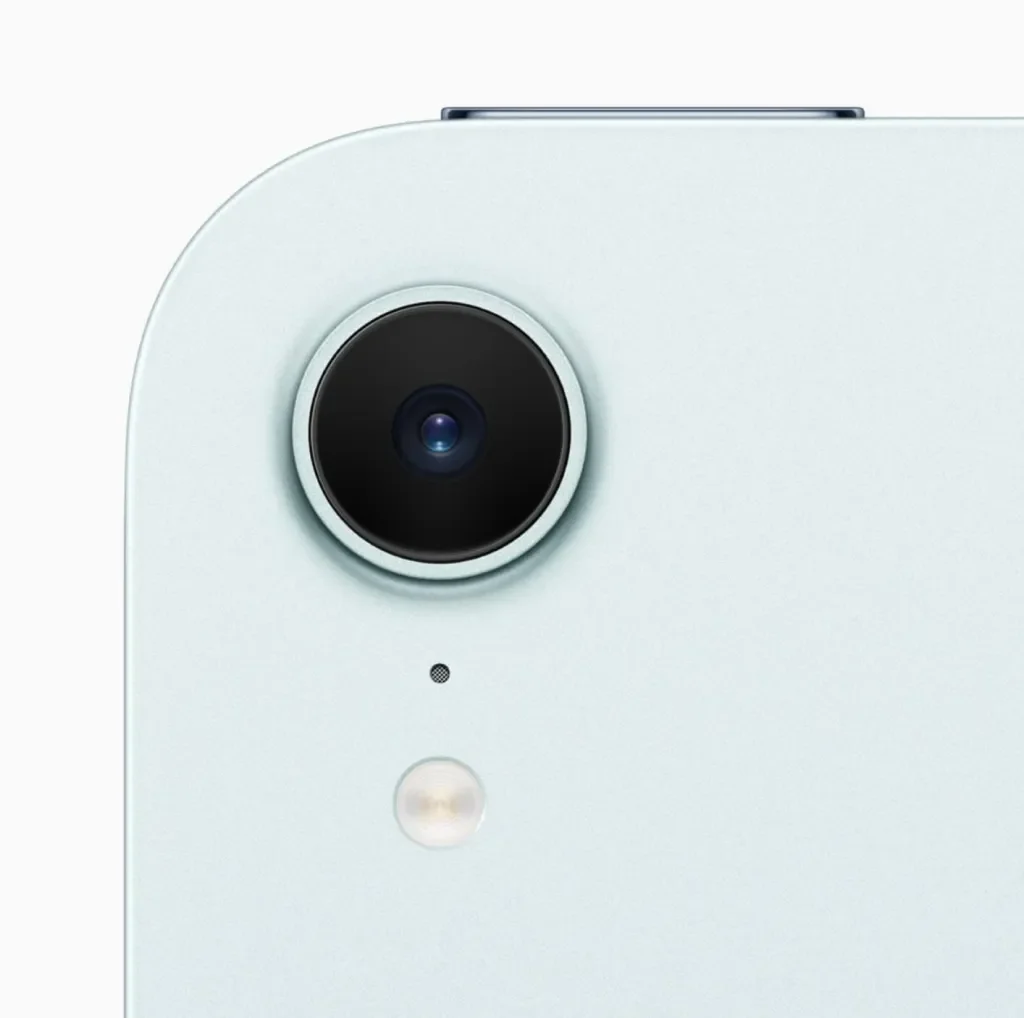
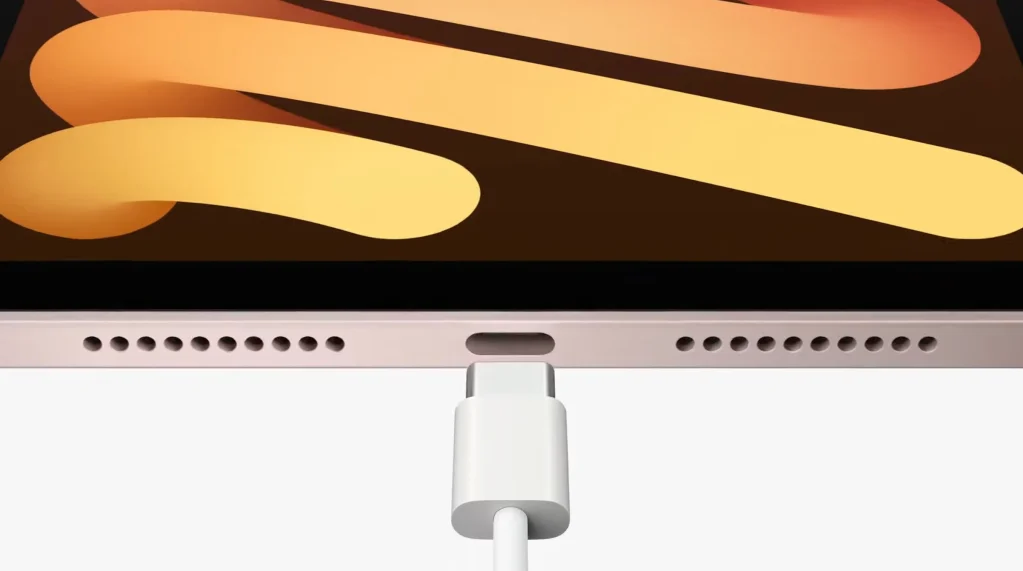
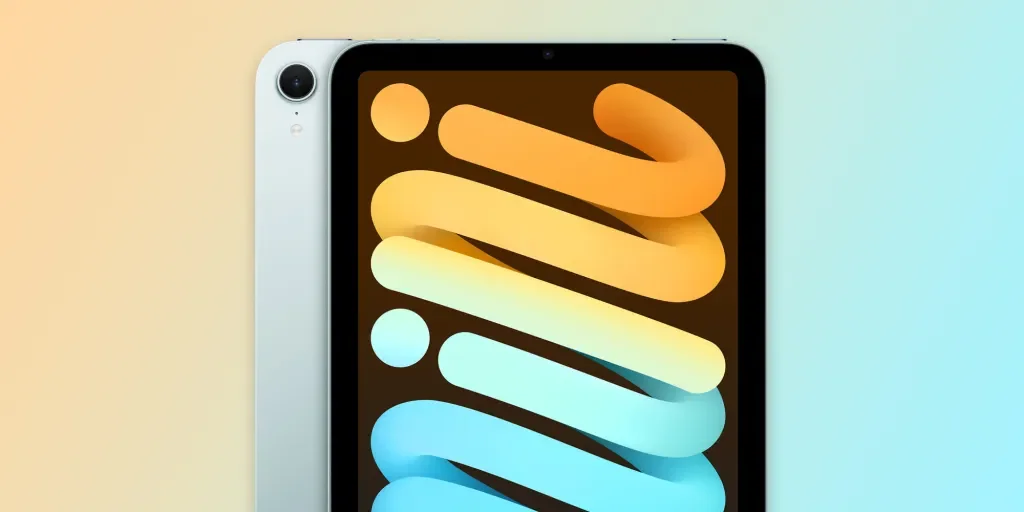
I didn’t forget about the iPad mini! This has to be the most unique one because it can be used in any situation. You can read, game, note take, do creative task, run image playgrounds, and more. There is no real wrong situation to use this in unless you re trying to do some crazy video editing on it. But even then it will work just slower than an Air or a Pro. That is why its the floater iPad in my opinion, you either get it for a very specific use case based on the portability or you get it just to add to your workflow.
Player Focus
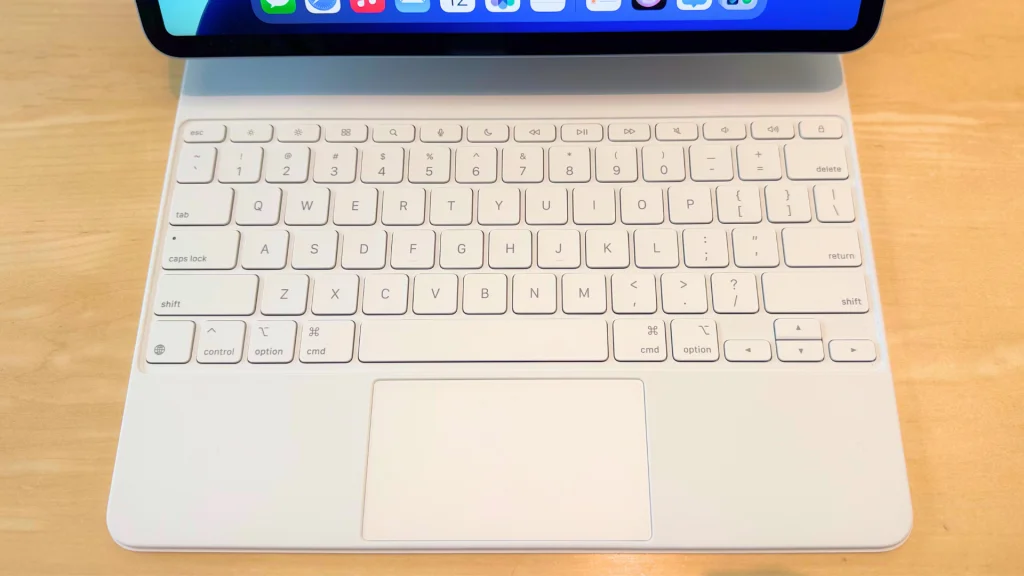
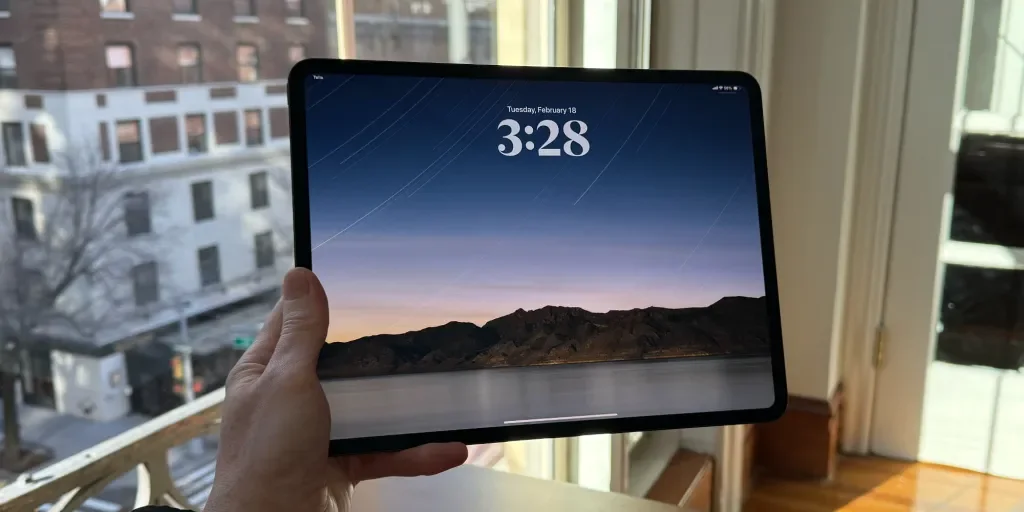
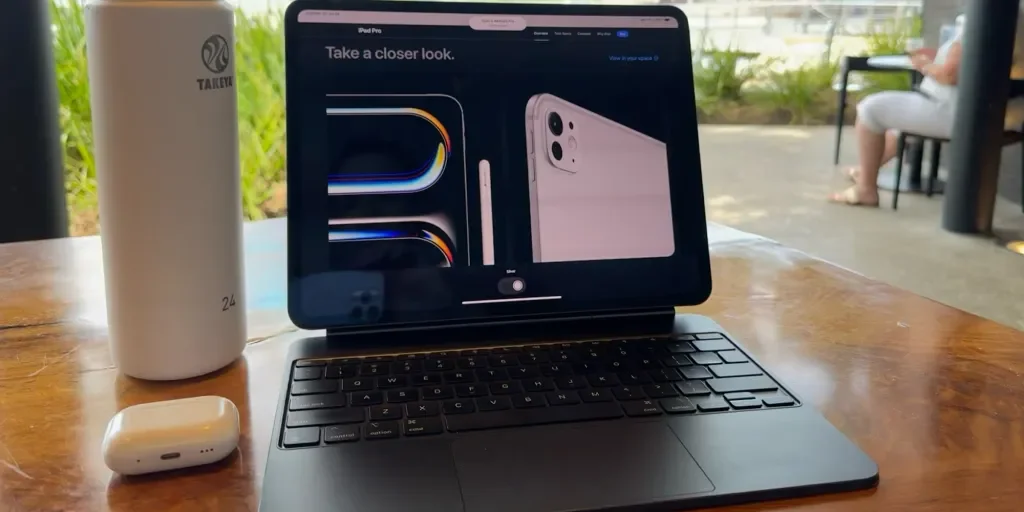
The iPad Pro is designed for professionals who need the best performance possible. Whether you’re editing 4K video, using multiple pro apps at once, or working with 3D models, the M4 chip and ProMotion display make this the ultimate iPad experience. But one thing I will note, is that you are mostly paying for the hardware here. The m3 iPad Air can do 99% of what the M4 iPad Pro can do from a software perspective. But the iPad Pro has all the premium hardware. So if you want the best of the best from hardware and software and budget is no issue, then this is the best iPad!
Who it’s for: Travelers, note-takers, handheld users, pretty much anyone
I recommend against the nano-textured screen. It’s impossible to keep clean.
Match Outlook
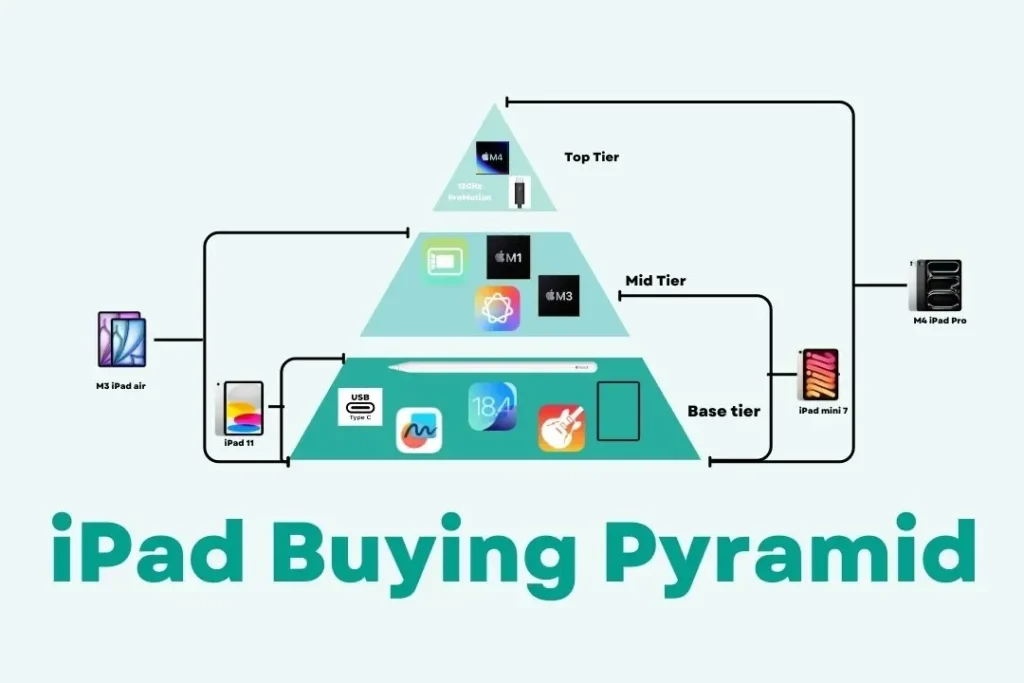
I wanted a way to illustrate the idea that most of the iPad experience can be had at the cheapest level of iPad, and the best way to do that was with the iPad buying triangle. Where the bottom of this triangle focuses on the commonalities across all iPads, and as you move up the triangle, you add the software and hardware features you gain by going to a higher-tier iPad. So, to simplify the iPad line this is how we did it:
Each tier builds on the last, meaning that while all iPads can handle the basic iPad experience, only the highest-tier models can do it all. Understanding this structure makes deciding which iPad best fits your needs easier.
So, to sum it all up, I broke it down below as simply as I could so you can glance and make a decision!
I am an iPad Pro user, and I will always be an iPad Pro user, even if I don’t technically need all that power. But it’s nice to know that every iPad can handle the basics, and the best choice depends on your specific needs. Hopefully, this guide helped make your decision a little easier! Let me know in the comments which iPad you’re choosing and why!
